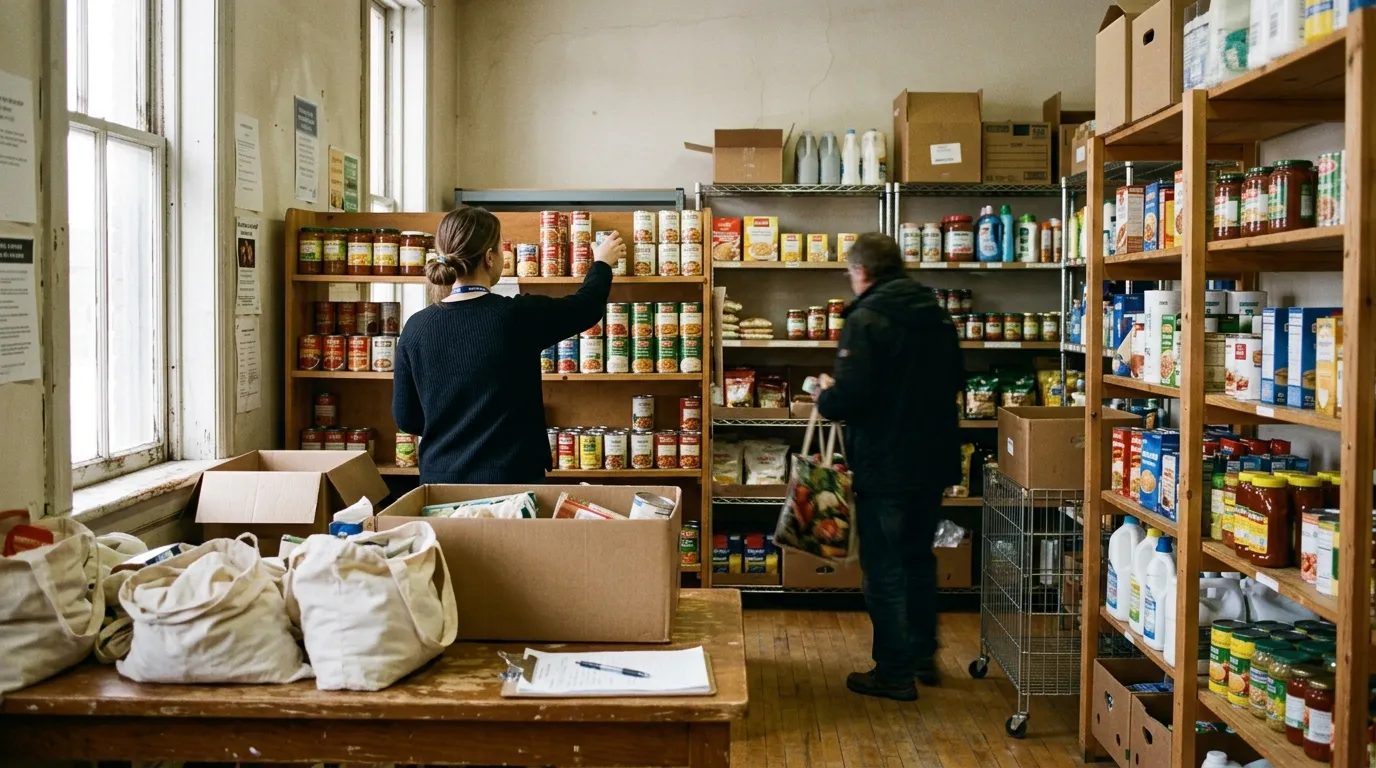
Community members in Sault Ste. Marie are raising concerns about the potential closure of the Algoma Community Pantry and Bartering Foundation, a local organization that provides essential food and household items to residents in need. The concerns follow a period of significant growth in demand for local food assistance services as the region faces ongoing economic pressures.
The Algoma Community Pantry and Bartering Foundation was founded by Wendy Gutcher in September 2023. It operates as a non-profit organization using a barter-based model, where individuals can exchange time or services in addition to donating non-perishable food, hygiene products, and household goods. Gutcher, who previously founded a similar initiative known as Helping Hands over a decade ago, established the current pantry to help families access resources during difficult times.
The anxiety surrounding the future of local food supports comes as Algoma Public Health recently reported that 25.6 percent of households in the area experienced food insecurity between 2023 and 2024. This rate is slightly higher than the provincial average and is considered an unprecedented high for the region. The strain is visible at major local providers; for example, St. Vincent Place reported an 85 percent increase in families accessing its food bank services when comparing January 2025 to January 2026.
Across the province, the situation is similarly challenging. Data from Feed Ontario indicates that over one million people accessed food banks between April 2024 and March 2025, marking the ninth consecutive year of increased usage. Due to the rapid rise in demand outpacing available resources, approximately 40 percent of food banks across Ontario have been forced to scale back the amount of food provided per visit.
Residents have expressed worry that the loss of local services could further impact those already struggling. This concern resonates with broader regional history, such as the 2019 closure of the Tranquility House women’s shelter in Matheson, which was operated by the Canadian Mental Health Association of Cochrane Temiskaming. As the community continues to navigate these challenges, many are calling for increased support to ensure that essential food assistance remains available for those who need it most.