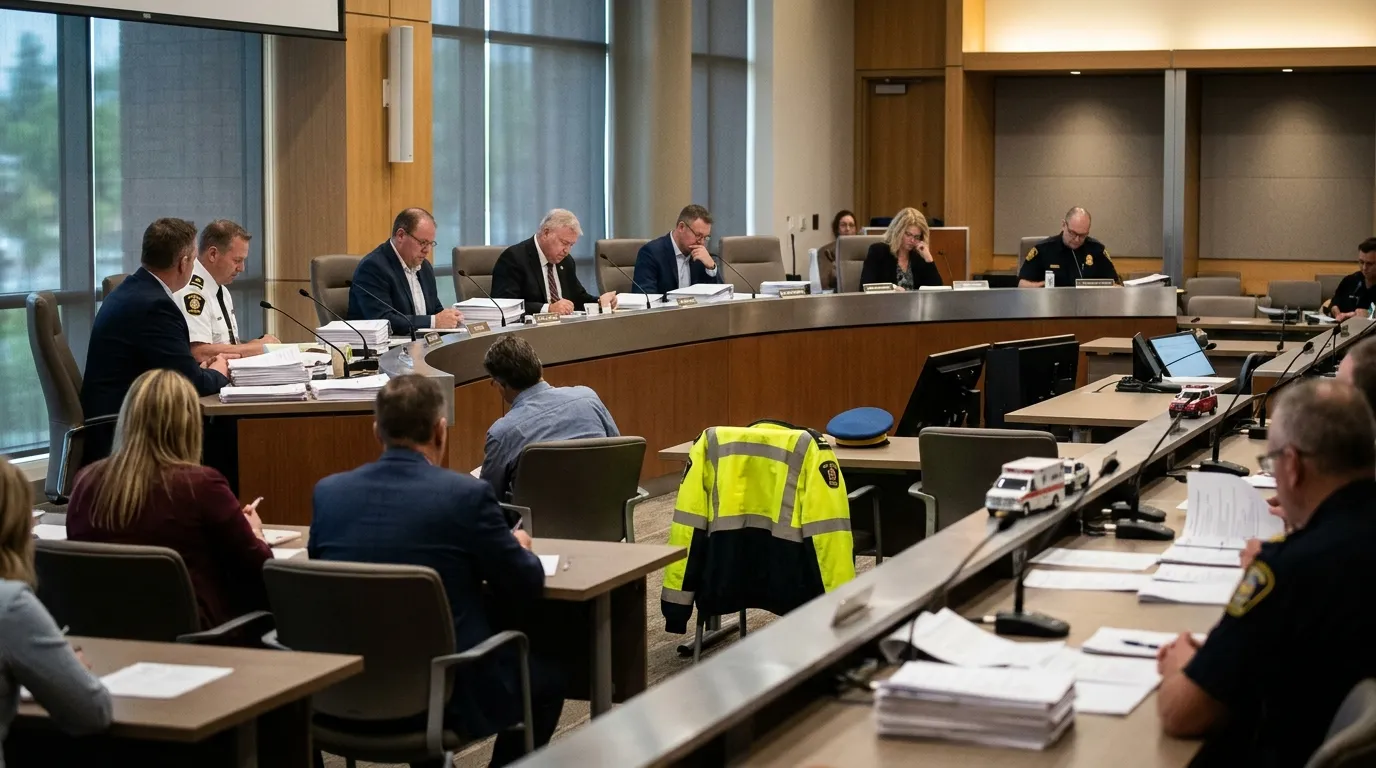
Lethbridge City Council is pushing for more time to negotiate the future of local ambulance services after being asked by the provincial government to accept new, potentially costly funding conditions. On March 24, 2026, the council voted unanimously to formally request an extension from Emergency Health Services – Alberta to finalize the terms of the city’s emergency medical services contract.
The city, which has operated an integrated fire and ambulance model for over 100 years, was notified on March 13 that any new contract would require the municipality to agree upfront to cover costs exceeding a provincial benchmark. The current contract, which provides for 10 ambulances—four operating around the clock and six on 12-hour shifts—is set to expire on September 30, 2026. While the province initially demanded an answer by the end of March, the deadline has since been extended to May 31, 2026.
City officials have expressed concerns regarding the lack of transparency in the province’s proposal. According to council highlights from the March 24 meeting, the province has not shared the specific factors, methods, or assumptions used to calculate these benchmarks. While the provincial government claims that integrated models across Alberta cost 40 per cent more than other providers, local officials argue they do not have enough information to understand how these figures were reached or what the financial impact will be for local taxpayers.
Lethbridge is joining six other Alberta municipalities in this advocacy effort, including Red Deer, Leduc, St. Albert, Strathcona County, Spruce Grove, and Wood Buffalo. Council members are seeking a direct meeting with the Minister of Public Safety and Emergency Services to discuss a path forward that keeps the municipality involved as a partner in delivering emergency care.
The provincial government has indicated that a wider procurement process for ambulance services across the province is expected to be completed by April 2027. If the city cannot reach an agreement that satisfies provincial requirements, the current integrated fire and ambulance model could face changes as part of this broader provincial transition.