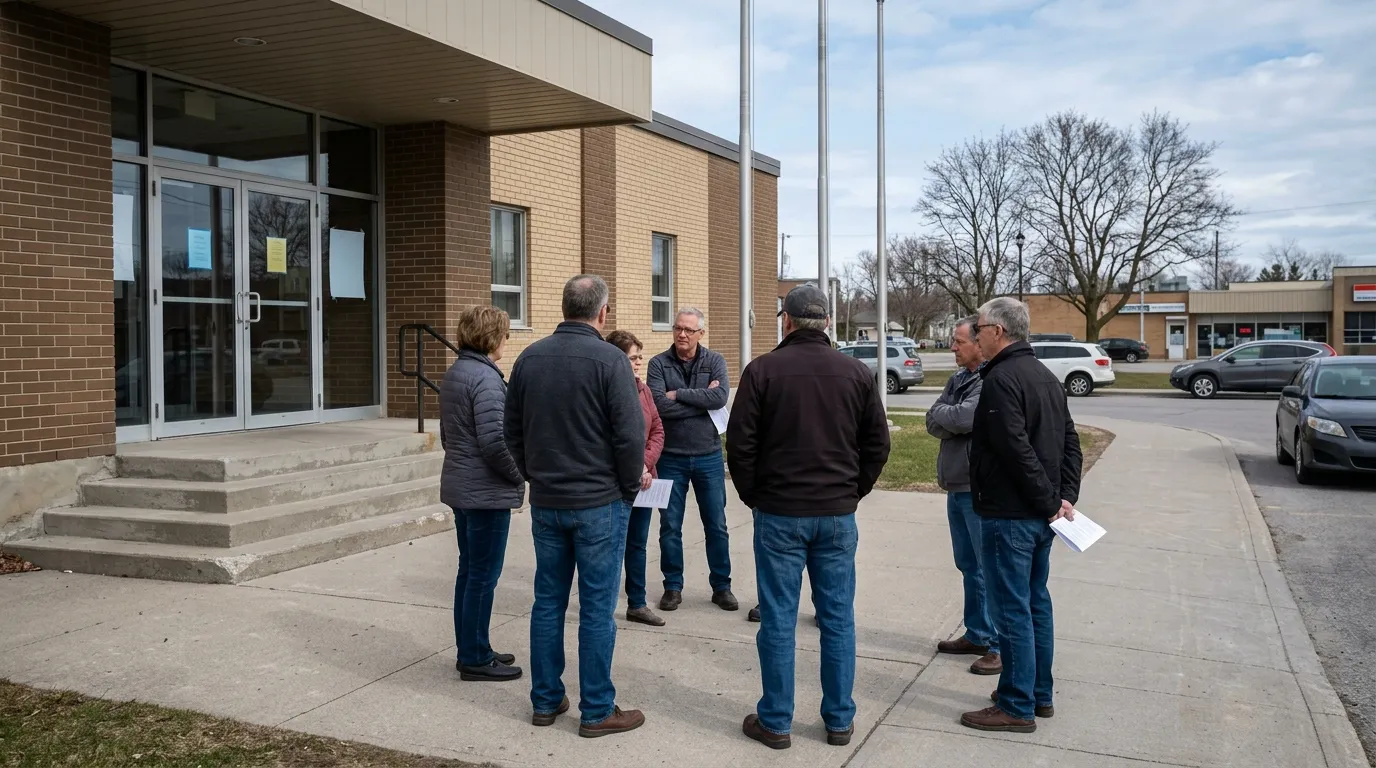
Residents in Port Colborne and across the Niagara Region are raising concerns after the provincial government introduced the Better Regional Governance Act, 2026 on April 2, 2026. The new legislation is set to overhaul the local government structure by reducing the Niagara Regional Council from 32 members to 13, leaving the new council comprised only of the 12 municipal mayors and a provincially appointed regional chair.
The provincial government stated the changes are necessary to streamline operations, with Premier Doug Ford noting that Niagara currently has 126 elected officials for a population of roughly 478,000. Under the new rules, the appointed regional chair will receive expanded powers, including the ability to propose municipal budgets, hire and fire senior staff, and veto local bylaws that the chair believes conflict with provincial priorities.
Port Colborne has already been adjusting its own local representation, having recently voted to reduce the size of its city council from eight councillors and a mayor to six councillors and a mayor, divided into three wards. While some local leaders have expressed support for efforts to reduce red tape, the regional changes have drawn sharp criticism from others who fear a loss of democratic oversight.
Some regional councillors have voiced concerns about the increased workload now expected of mayors, who will be required to manage both their local responsibilities and the new regional council duties. St. Catharines Regional Councillor Haley Bateman has described the shift as a significant move that consolidates power at the provincial level. Similarly, some residents worry that downsizing will limit the ability of citizens to access their elected representatives.
The transition follows a period of instability within the regional government, including the recent resignation of the former regional chair on March 11, 2026, after 84 days in the role. As debate continues over the impact of these changes, community members are organizing to express their opposition. A province-wide protest is being planned for April 25, 2026, where residents intend to voice their concerns regarding these governance changes and other provincial policies.