Halton Region Public Health says a batch of mosquitoes collected in Oakville has tested positive for West Nile virus, the first such finding in the region this season.
The positive test came from a mosquito trap checked the week of June 29, 2026. That is about two weeks earlier than last year’s first positive sample, which came on July 18, 2025. The early-season detection suggests heightened virus activity this year.
“This is the first batch of West Nile virus positive mosquitoes for Halton this year,” the Halton Region said in a statement.
No human cases of West Nile virus have been reported in Ontario so far in 2026. But officials say the positive mosquito pool is an important reminder that the virus still circulates in the area and can cause serious illness, especially for some people.
Most people bitten by an infected mosquito never feel sick. But about one in five develop fever, headache, body aches, or a rash. Around one in 150 get a severe form of the illness that attacks the brain or spinal cord, and among those serious cases about one in 10 die. Adults over 50 and anyone with conditions like cancer, diabetes, high blood pressure, or kidney disease face higher odds of severe illness.
Last year was a busy one for the virus across Canada. In 2025, the Public Health Agency of Canada counted 281 clinical cases and nine deaths nationwide. Ontario and Quebec together had the bulk of those cases. Here in Halton, 2025 brought 28 positive mosquito pools and eight human cases, including one death. That’s up sharply from 2024, when the region recorded nine positive pools and five cases.
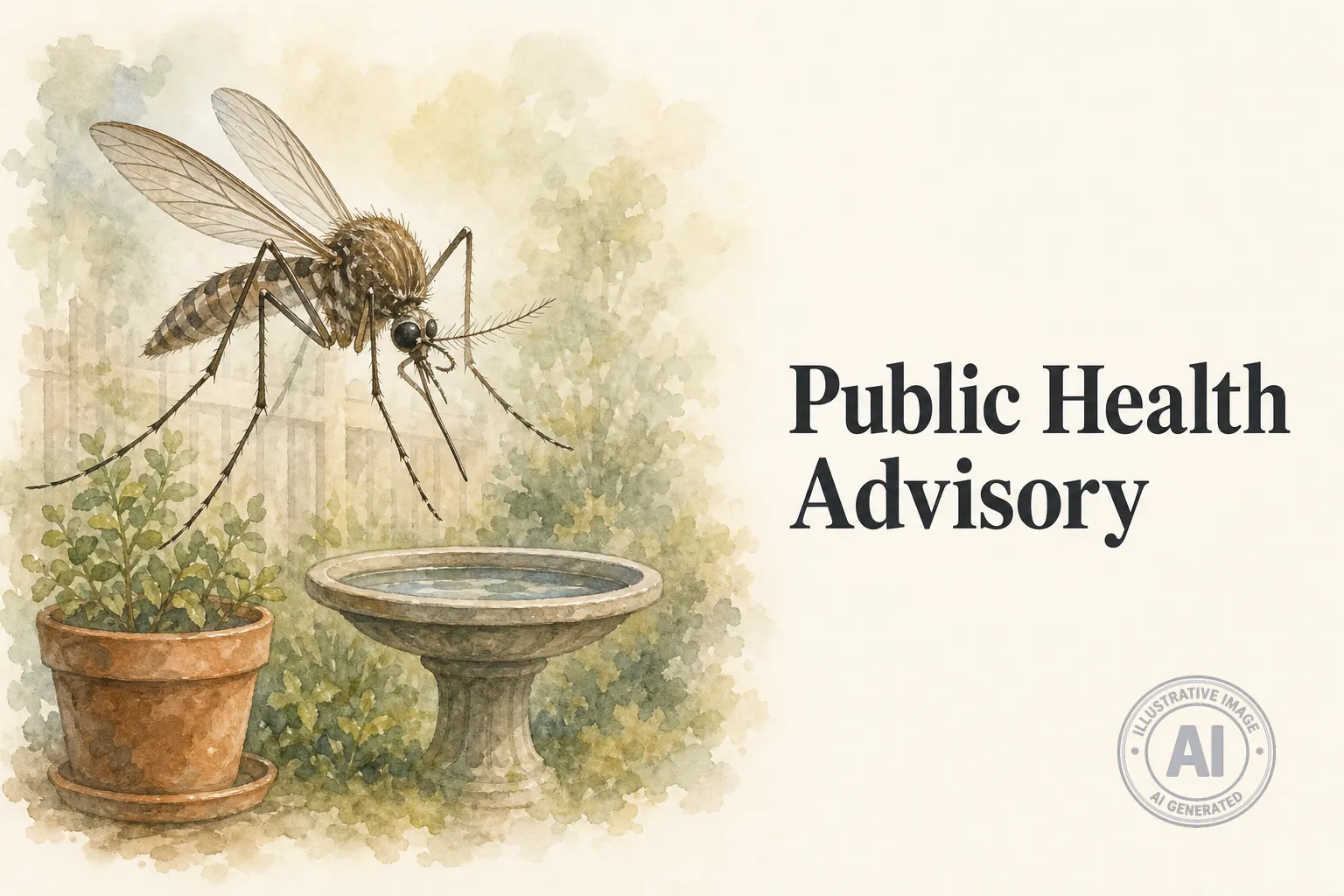
To lower the risk, public health crews in Halton have already done 208 larvicide treatments this year, putting a natural bacteria into standing water that kills mosquito larvae before they can grow up and bite. The most common type of mosquito that spreads the virus in Ontario, known as Culex mosquitoes, likes to breed right in backyards—in things like birdbaths, flowerpots, old toys, and neglected tires that hold rainwater. Health officials urge residents to dump out any standing water around their homes, wear insect repellent approved by Health Canada, and cover up with long sleeves and pants around dawn and dusk when mosquitoes are most active.