The City of Dawson Creek is currently moving forward with the second phase of a four-part project designed to secure a reliable source of drinking water for the community. This work, known as the Water Supply System Project, aims to establish a long-term water solution after the Kiskatinaw River, the city’s sole water source since 1942, experienced repeated record-low levels due to years of drought.
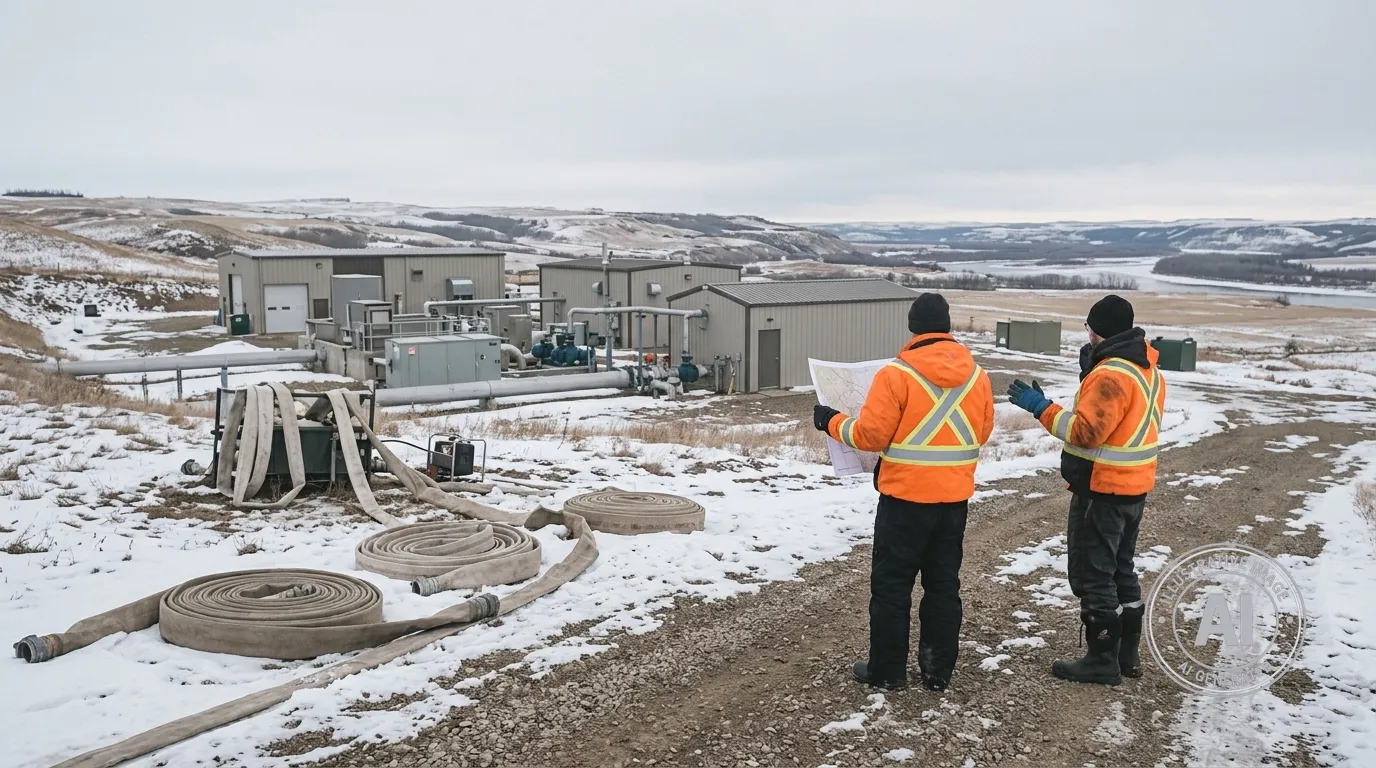
As part of the ongoing detailed studies and analysis, the city is evaluating the construction of a 52-kilometre pipeline to transport water from the Peace River. This proposed project is estimated to cost $100 million. While the city explores this permanent infrastructure, it is also developing a temporary emergency water transfer system. This backup plan would involve using lay-flat hoses along highway corridors to move water from the Peace River to the existing city system if faced with another severe supply shortage.
The city’s pursuit of a new water source follows several years of climate-related challenges. A state of local emergency was declared in October 2025 due to low river levels, though it was eventually lifted in February 2026 after municipal officials determined that existing water stores would be sufficient through the spring season. Previously, the region faced significant water concerns in January 2024 when the Kiskatinaw River froze and reached a level four drought designation, forcing a temporary halt to water intake operations.
The project is currently working through the BC Environmental Assessment Office early engagement process. As the city refines its plans, several organizations and groups have raised questions regarding the proposal. Specifically, the BC Energy Regulator and the Ministry of Water, Land and Resource Stewardship have asked for clarification on the projected water volumes and the proposed plan to sell surplus water to industrial users. Additionally, Indigenous communities, including the Doig River First Nation, the Saulteau First Nations, and the McLeod Lake Indian Band, have expressed concerns regarding potential impacts on treaty rights, the health of the Peace River, and the adequacy of the consultation process.
The city has previously investigated other options, such as groundwater, but determined that local aquifers were not viable because the water contained high levels of salinity. The push for a new pipeline aligns with findings from a 2013 community survey, which indicated that 71% of residents supported building a pipeline to the Peace or Murray River.