The City of Dawson Creek, British Columbia, is maintaining strict Stage 3 water conservation rules as of March 23, 2026, even though local storage levels have improved. This decision comes as the community works to recover from years of drought that threatened the local drinking water supply.
Local officials ended a state of local emergency on February 17, 2026, which had been in place for 126 days due to record low levels in the Kiskatinaw River. The city currently has enough water held in storage to last for more than 170 days, which is expected to carry the roughly 15,000 residents through the spring season.
Under the current Stage 3 rules, residents are not allowed to fill hot tubs or use water for most outdoor activities like washing cars or watering lawns. There is also a ban on hauling large amounts of water for industrial oil and gas work to ensure there is enough water available for the community.
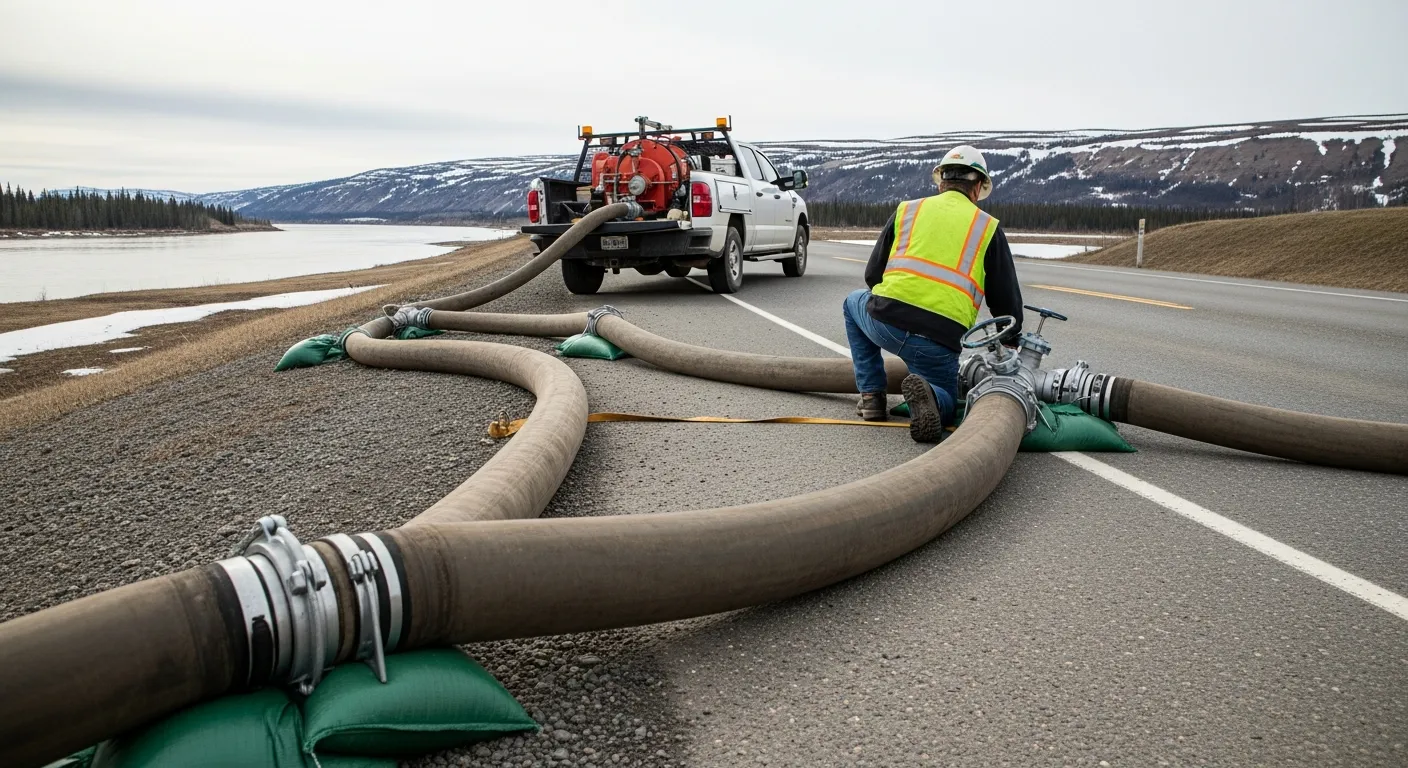
Regional conditions are showing signs of improvement as the local snowpack is currently at 130 per cent of its normal level following heavy precipitation in February. The city has also prepared a backup plan that uses temporary hoses along highway paths to move water from the Peace River if the main supply levels drop again during the summer.
For a long-term solution, the city is planning a $100 million pipeline to the Peace River, though provincial regulators and groups like the Doig River First Nation have raised concerns about the project. The province has given the city one year to answer questions about the environmental impact and the large amount of water being requested before a final decision is made.