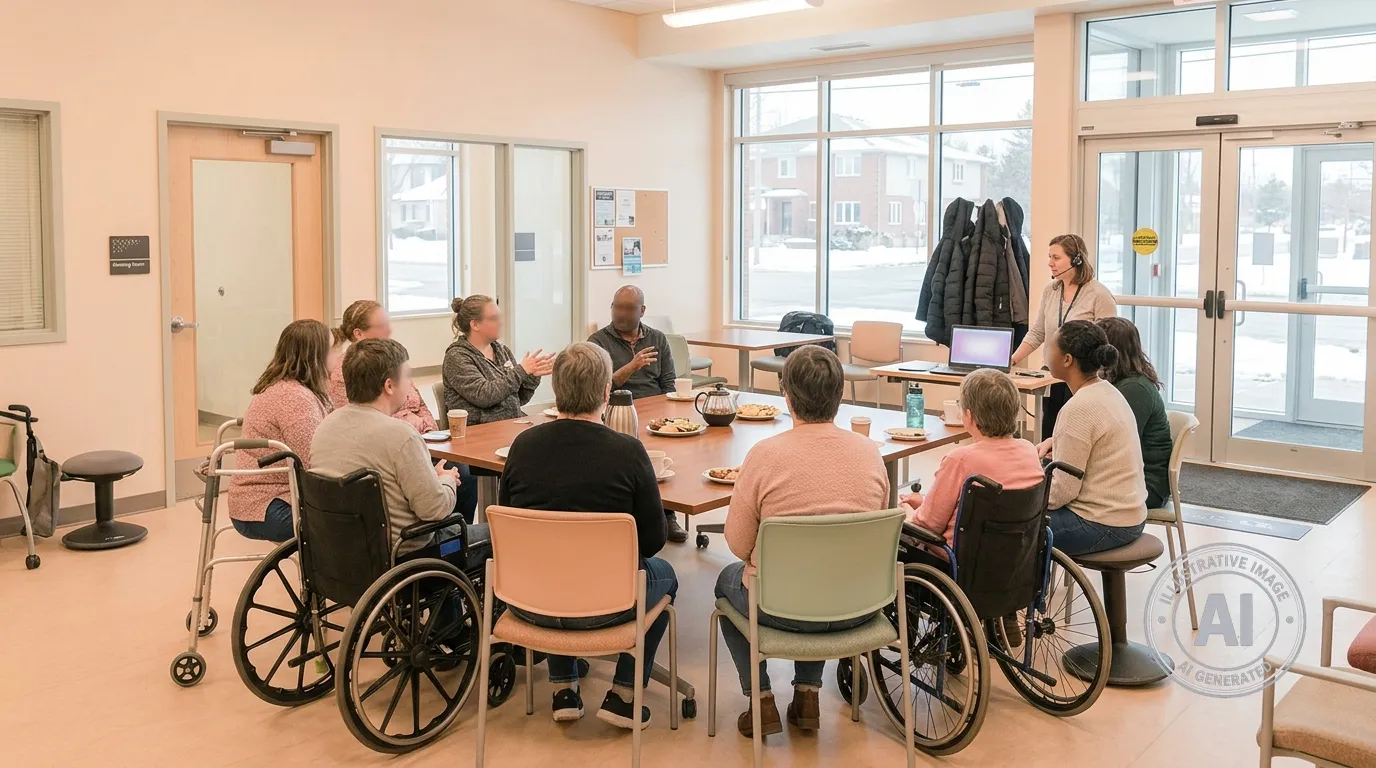
A Waterloo non-profit is helping hundreds of residents overcome social isolation through a series of programs designed specifically for people with disabilities. Independent Living Waterloo Region (ILWR) supported 160 participants last year through its Community Resource Program, which provided 36 different activities and social opportunities.
The organization, which has served the Waterloo area for more than 40 years, offers a variety of peer-based events including a coffee club, book clubs, and virtual trivia nights. According to Dan Lajoie, the manager of independent living resources at ILWR, these connections have provided a vital lifeline for many members.
Lajoie says that participants have shared how the regular peer support has pulled them from difficult times, noting that hearing those experiences is humbling. The program specifically targets the high risk of social isolation faced by people with disabilities, who often deal with significant barriers to participating in community life, such as transportation issues, building accessibility, and weather concerns.
Virtual programming has proven effective at removing many of those obstacles. One participant explained that they can now join events from the comfort of their own home without needing to worry about whether a location is accessible or how the weather might affect their travel.
The Community Resource Program also organizes an annual youth retreat at Hidden Acres Mennonite Camp and Retreat Centre to support young adults as they transition from school to adult life. While the organization receives some government funding for other services, the Community Resource Program relies entirely on community donations and grants.
In 2024, the program received essential funding from the Waterloo Region Community Foundation through its community grants program, with additional support from the Hickey Family Fund and the Lonsdale and Roberta Schofield Fund. Independent Living Waterloo Region was originally founded in 1982 by the Mennonite Central Committee under the leadership of Henry Enns to promote self-direction and accessibility for people with disabilities.