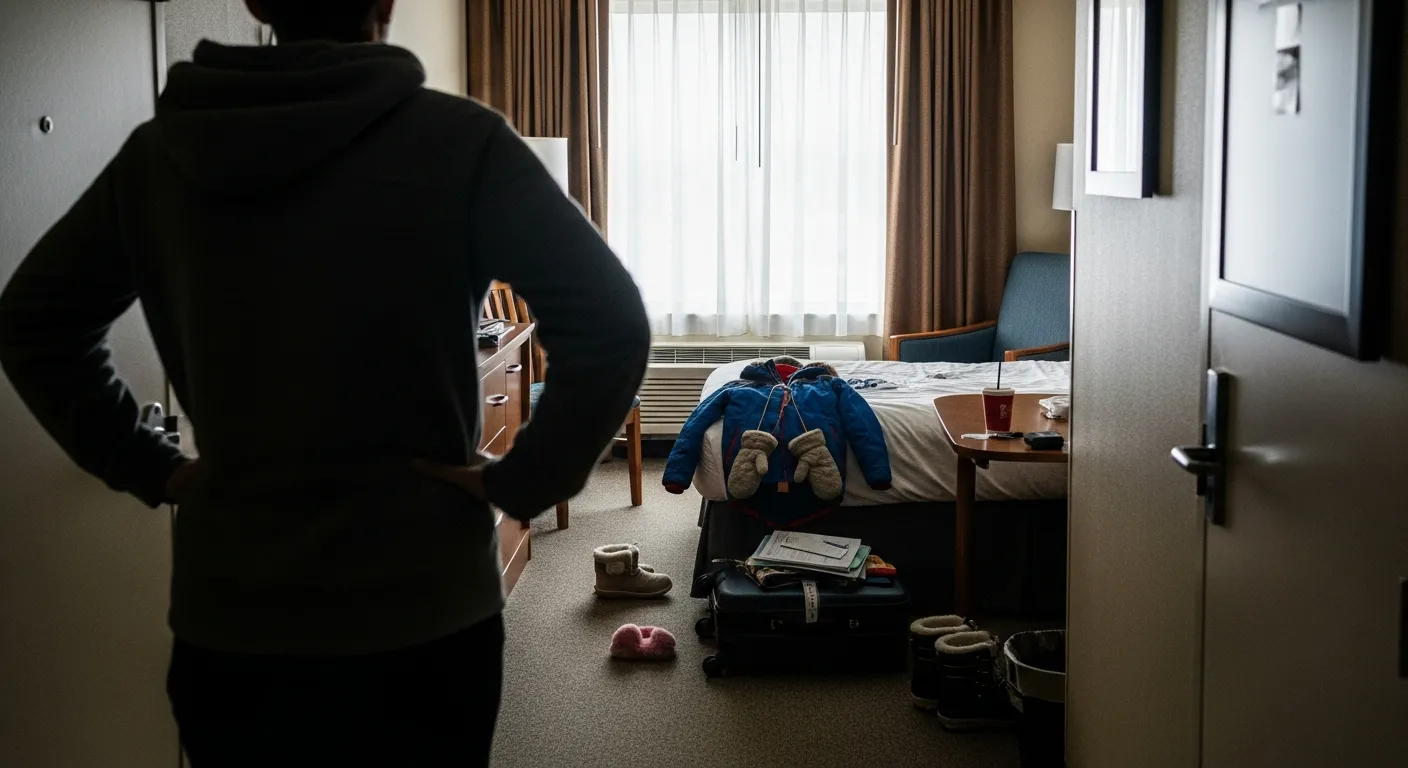
Leaders from the Pimicikamak Cree Nation and Manitoba Keewatinowi Okimakanak (MKO) are calling for urgent accountability within the northern healthcare system following a recent incident in Winnipeg that left a young patient in medical distress. Chief David Monias of the Pimicikamak Cree Nation is demanding a full review after a youth and his mother were forced out of their hotel room due to administrative delays involving the First Nations and Inuit Health Branch (FNIHB).
The incident occurred while the youth was recovering after being discharged from the hospital. Due to a paperwork delay regarding his stay extension at a Winnipeg hotel, security staff removed the family from their room. This displacement resulted in the youth suffering a medical relapse that required him to be readmitted to the hospital. Chief Monias and MKO leaders say this case highlights systemic failures in communication between federal programs and healthcare facilities that continue to put Indigenous families at risk during medical emergencies.
This latest outcry follows years of advocacy for better treatment and safety for northern residents, a movement heavily influenced by the June 27, 2022, death of two-year-old Santaya Tyo-Greyeyes. The toddler died after being sent home from a clinic in the Norway House Cree Nation while suffering from a fever and breathing difficulties. While the community continues to seek justice for past tragedies, Norway House Cree Nation has also recently pursued legal action against federal and provincial authorities over environmental and infrastructure concerns that impact community health.
MKO reports that poor coordination between local clinics and urban hospitals remains a primary barrier to safe patient care. Leaders are asking for improved patient rights and ensuring that medical staff provide proper care and secure housing before discharging young or vulnerable patients who must travel long distances for treatment.