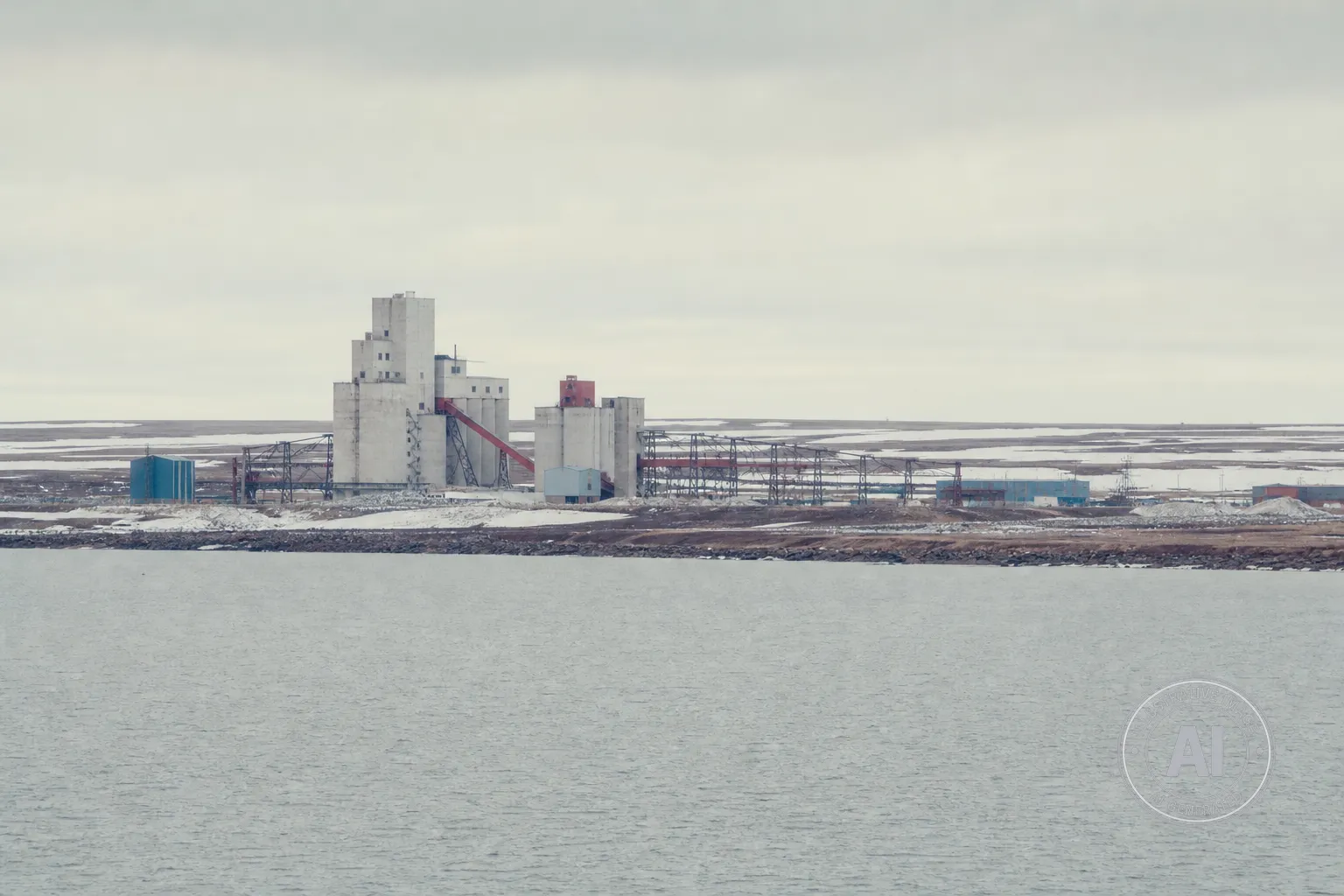
Manitoba Premier Wab Kinew met with India’s High Commissioner to Canada, Dinesh K. Patnaik, on May 11, 2026, to discuss using the Port of Churchill as a key trade route for moving provincial goods to India. The meeting highlighted plans to export liquefied natural gas, agricultural products, and critical minerals through the port, which serves as Canada’s only deepwater Arctic port connected to the North American rail network.
Premier Kinew stated that ongoing instability in the Middle East, specifically the energy crisis linked to the recent conflict involving Iran, makes the development of the northern trade corridor a priority for Manitoba. By providing a secure and reliable alternative to traditional shipping routes, the government aims to connect the province to India, which is one of the world’s fastest-growing economies. Projections indicate that India’s natural gas consumption is expected to jump 60 percent by 2030, which will require the country to double its imports of liquefied natural gas.
The development of this trade route is tied to the Port of Churchill Plus project, which is being led by the Arctic Gateway Group. This Indigenous-led consortium, which includes up to 41 First Nations and northern community shareholders, owns the port, the Hudson Bay Railway, and the local marine tank farm. To support these efforts, the federal government has committed $175 million over five years to facilitate major infrastructure improvements.
The expansion work involves four primary components: upgrading the Hudson Bay Railway to Class 1 standards, building an all-weather road to Churchill, establishing a new energy corridor, and adding dedicated marine ice-breaking capacity to help extend the shipping season. These improvements are intended to modernize the facility, which remains the only tidewater access point for the Prairies.