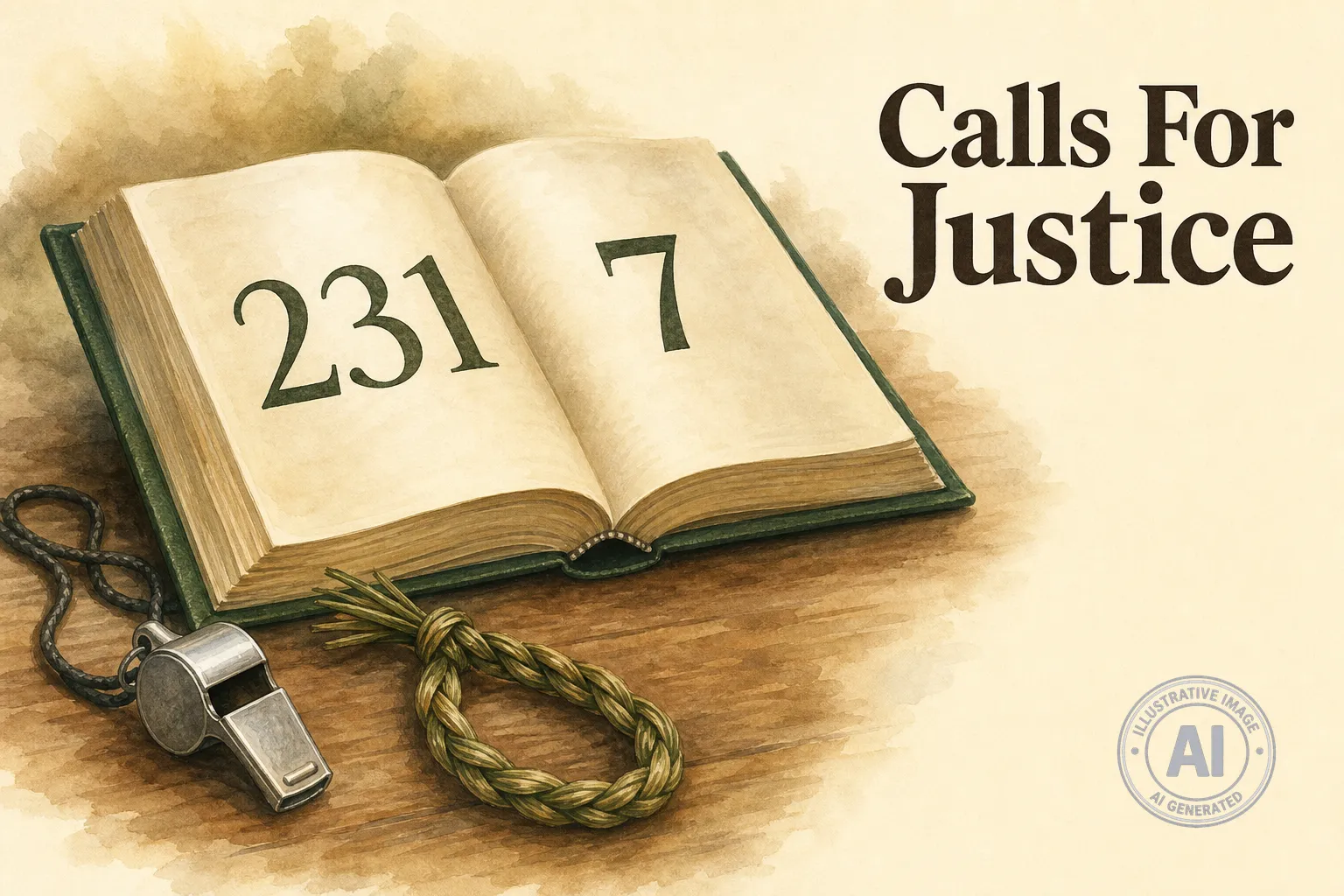
Sandy Bay Ojibway First Nation, along with 32 other Anishinaabe and Dakota communities in southern Manitoba, is marking seven years since the release of a national report that called violence against Indigenous women and girls a Canadian genocide. The Southern Chiefs’ Organization says the vast majority of the report’s Calls for Justice have yet to be acted on.
On June 3, 2019, the National Inquiry into Missing and Murdered Indigenous Women and Girls ended with a final report containing 231 Calls for Justice. The inquiry concluded that the violence amounts to genocide. Seven years later, the Assembly of First Nations reports that only two of those calls have been fully carried out. More than half have not even been started.
Grand Chief Jerry Daniels said the calls are not optional suggestions. “The Calls for Justice are not recommendations; they are legal obligations rooted in human rights,” he said. Daniels has led SCO since 2017 and is a citizen of Long Plain First Nation.
Young leaders are also pushing for change. Chief Tréchelle Bunn of Birdtail Sioux Dakota Nation is 25 years old and the youngest chief in Manitoba. She is also the first woman elected to lead her nation. “Our women, girls, two spirit, and gender-diverse relatives deserve to live in safety and dignity,” Bunn said. She is currently studying law at the University of Manitoba.
As part of the anniversary, SCO is handing out free books that outline all 231 Calls for Justice. Tote bags and safety whistles are also available at no cost. People can pick them up at SCO offices in Winnipeg at 1572 Dublin Avenue or 200-600 Empress Street.
SCO also runs an MMIWG2S+ Support Program that helps families navigate the system and offers youth-focused talks on healthy relationships. The group represents more than 92,000 citizens across southern Manitoba.