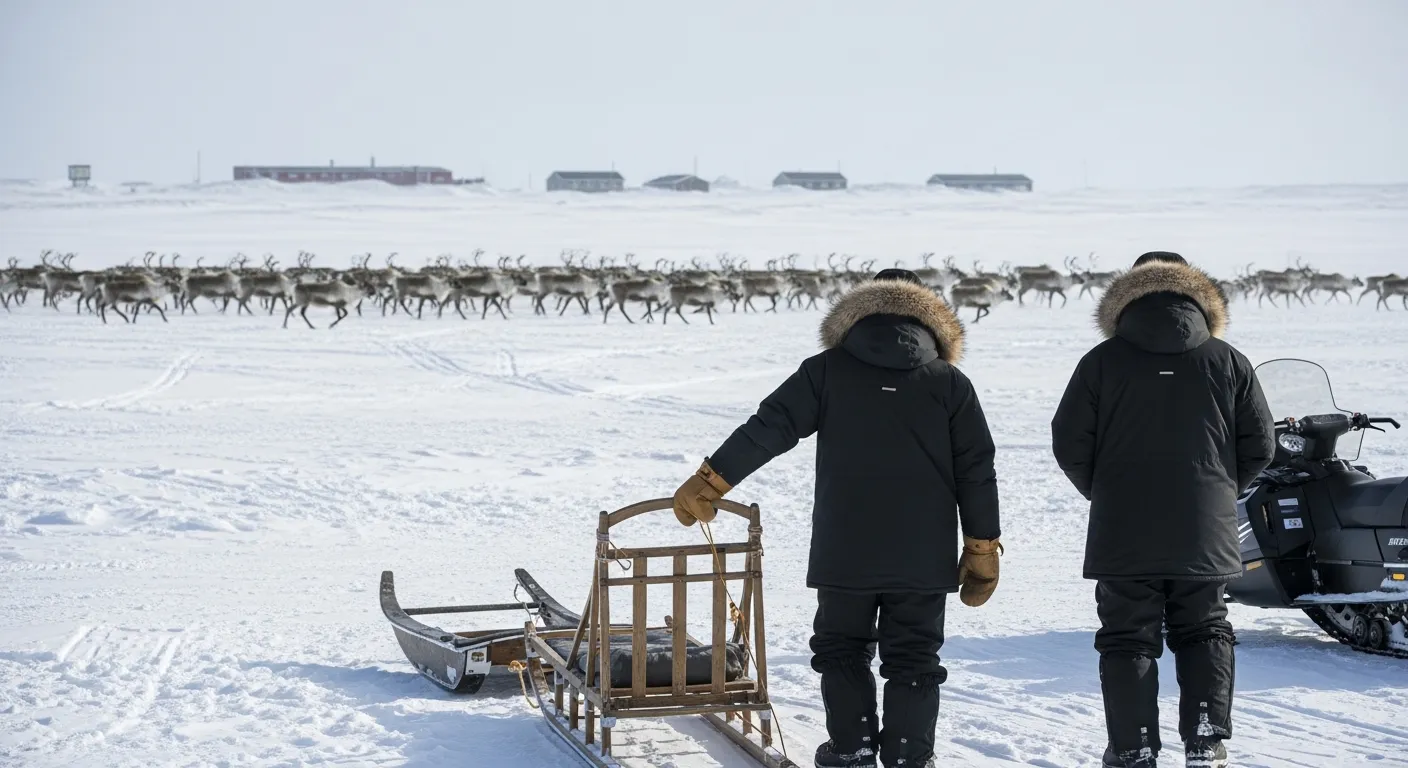
The Beverly and Qamanirjuaq Caribou Management Board released a report on February 28, 2026, showing that caribou herds near Rankin Inlet, Nunavut, are starting to recover and stabilize. This update provides a more positive outlook for local food security and hunting planning after years of worrying population drops.
New survey results confirm that the Beverly herd has increased to approximately 152,000 animals, which is a significant rise from the 103,400 animals estimated in 2018. The Qamanirjuaq herd is also showing signs of stabilization in early 2026, as the rate of decline has slowed down from five per cent to two per cent annually.
The board is now asking hunters to provide photos and samples from their harvest to help monitor parasites and disease. Board chair Earl Evans explained that providing this information can help prevent meat wastage by ensuring hunters know when the meat is safe to use for their families.
Local leaders and the Kangiqliniq Hunters and Trappers Organization will use these new numbers to manage future hunting rules and community food needs. The board recently held its first meeting in Rankin Inlet in 20 years to discuss how to protect the health of the herds while allowing for local harvests.