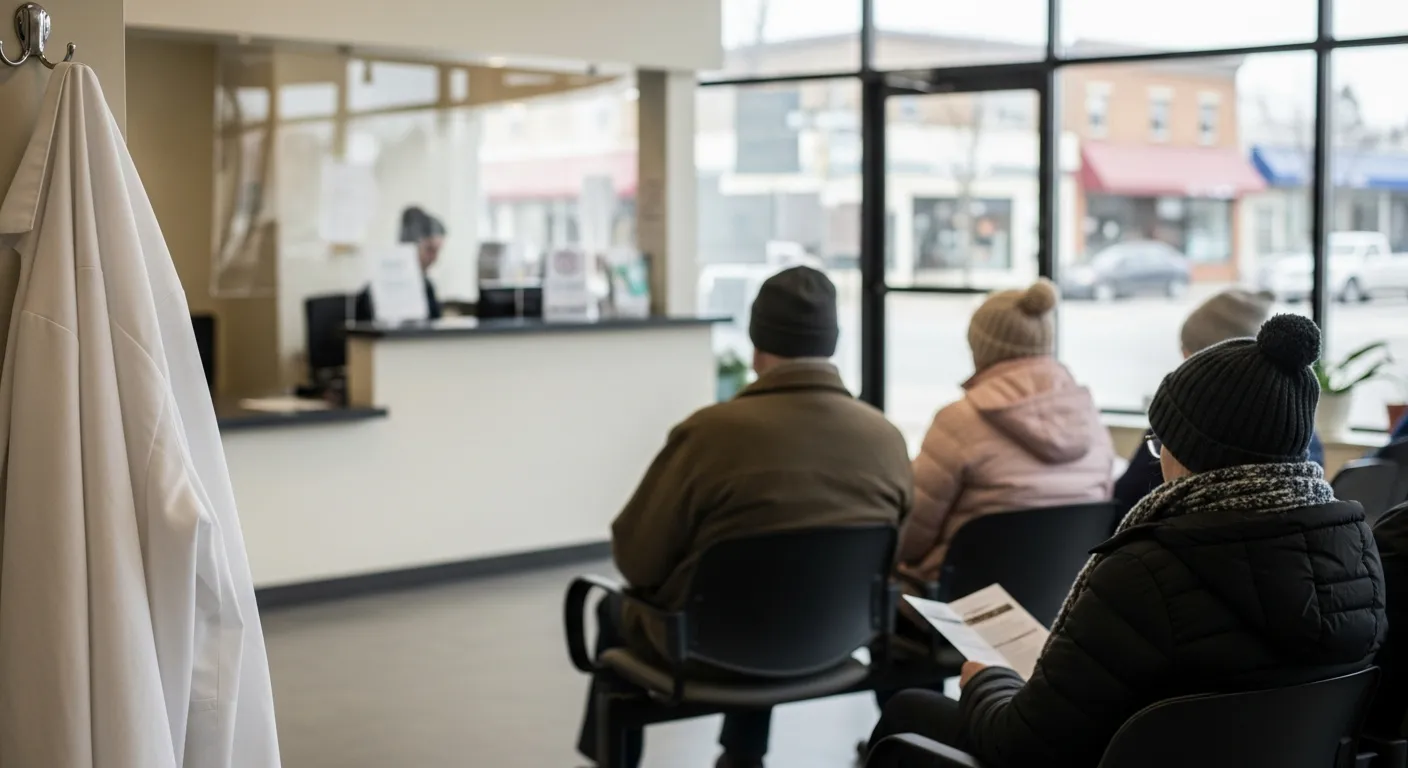
As of March 23, 2026, thousands of people in Cornwall, Ontario, remain without a family doctor as the city continues to deal with a physician shortage that has lasted more than 20 years. Data from Inspire-PHC indicates that roughly 25 per cent of residents in the eastern part of the city do not have a regular healthcare provider. This ongoing gap in service has left many residents relying on emergency rooms or walk-in clinics for basic medical needs.
Mayor Justin Towndale, who has shared that he also does not have a family doctor, created a committee (Mayor’s Task Force on Medical Recruitment) in May 2024 to focus on finding new medical staff. This group provided 18 recommendations to the local government on September 22, 2025, which included making recruitment programs more flexible to attract new healthcare workers to the region. The city has been actively trying to fill these gaps since at least 2000 through various community funding efforts.
The local struggle reflects a wider issue across the province as the number of people without a family doctor continues to grow. The Ontario College of Family Physicians estimates that 4.4 million people in Ontario, or one in every four residents, could be without a family doctor by the end of 2026. Projections show that nearly 2 million people across the province were already without a regular doctor by the middle of 2025.
Cornwall currently offers financial incentives to attract new medical talent, such as $25,000 loans that do not have to be paid back if the doctor stays to practice in the area. Medical students can also receive up to $25,000 every year for six years to help cover their schooling costs if they agree to work in the community. Healthcare advocate Dr. Alan Drummond has highlighted that these shortages have reached a critical point for many smaller Ontario communities.
The Great River Ontario Health Team is helping residents sign up for provincial programs designed to connect patients with available providers. Dr. Marilyn Crabtree, a lead with the organization, noted that people without personal connections or stable housing often find it the most difficult to get a regular family doctor. The health team is focusing on making sure vulnerable residents are not left behind as the city works to increase its number of practicing physicians.