Lethbridge City Council has been given more time to decide on the future of local ambulance services in Lethbridge, Alberta. The deadline to reach a new agreement with Emergency Health Services – Alberta has been pushed back to May 31, 2026. This extension gives local leaders more time to review how they will fund and run emergency medical services when the current contract ends on September 30, 2026.
The provincial health authority is currently offering less funding than the city receives under its existing contract. To start negotiations, the province has asked the city to agree in advance to pay for any costs that go above provincial cost standards. If the city declines this model, the province may look at other options, such as hiring a private company or running the ambulance service directly.
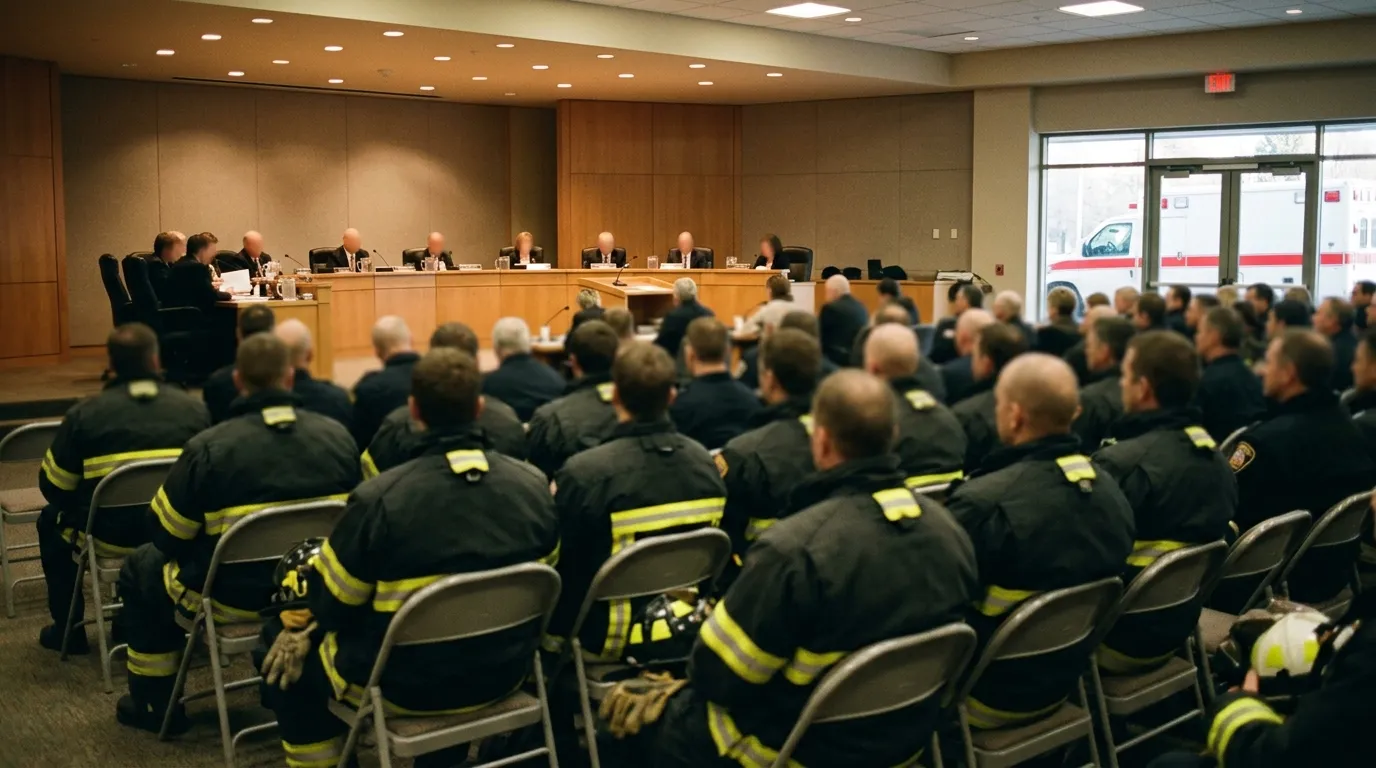
Lethbridge has operated a combined fire and ambulance service since 1912, making it the oldest system of its kind in North America. Dozens of emergency workers attended the council meeting on March 24, 2026, to hear the update. The IAFF Local 237, which represents 253 paramedics and firefighters, has shared concerns that changing this long-standing system could affect community safety.
In response, city council voted unanimously to advocate for a better partnership with the provincial government. They are joining six other Alberta municipalities to send a letter to the Minister of Public Safety and Emergency Services to request a meeting. Local officials are also asking for more information on how the province calculates its costs compared to the service the city provides.