Peguis First Nation, Manitoba’s largest First Nation, is mapping out its recovery after a spring flood that could have been much worse. Chief Dr. Stan Bird posted an update on the Peguis First Nation website Wednesday outlining what the community has done and what comes next.
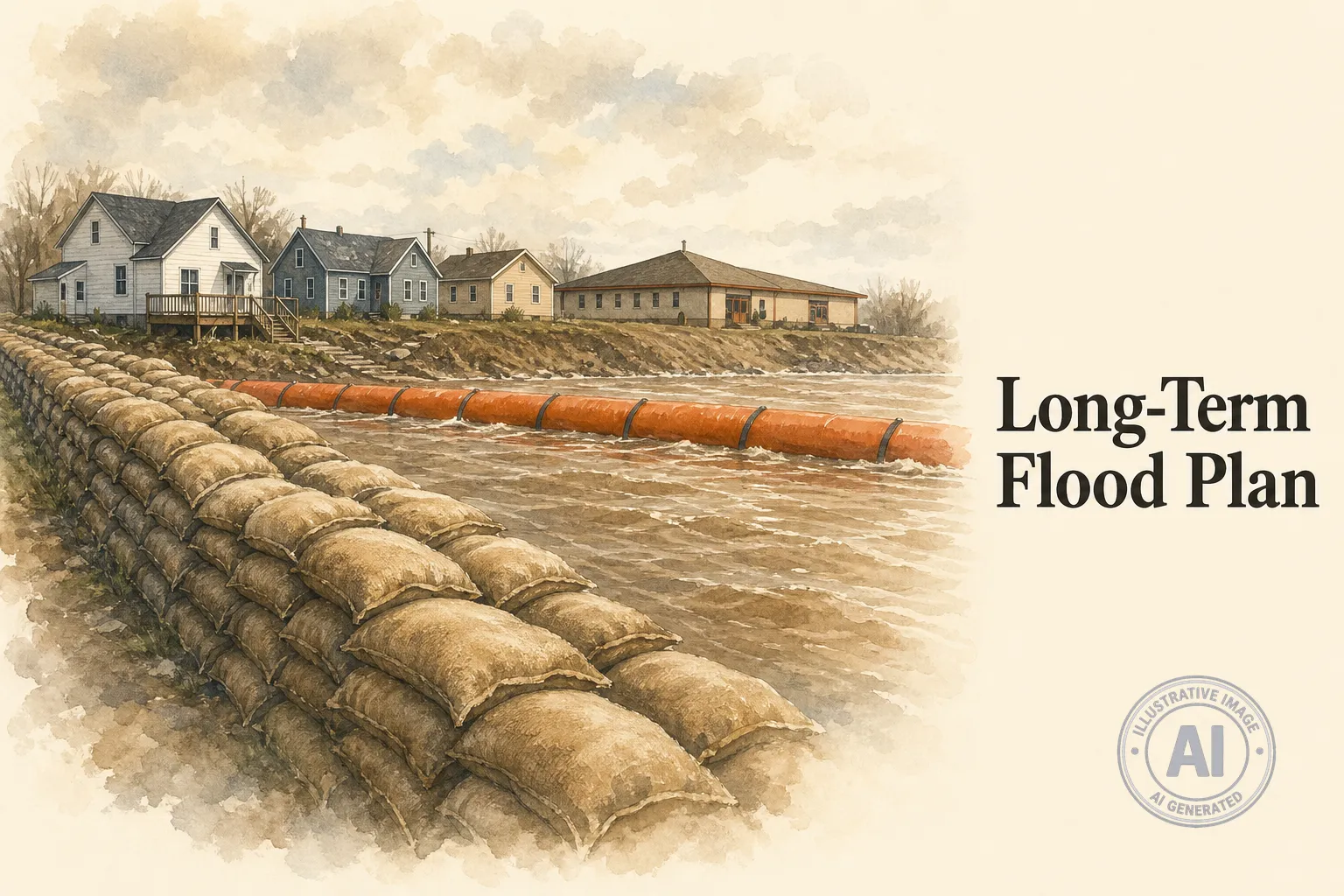
The Fisher River threatened to overflow its banks in April, and on April 18, Chief Bird declared a state of emergency. Hundreds of volunteers worked to protect roughly 225 homes with sandbags and Tiger Dams. The province supplied more than 500,000 sandbags and 11,000 super-sized sandbags, while the City of Winnipeg contributed an additional 280,000 sandbags. Floodwaters started to recede by late April, but the danger forced some families from their homes and put the community on edge.
About 784 people already could not go home because of earlier floods in 2014, 2017, and 2022. Many of their houses were condemned from mould damage or still need repairs. The 2022 flood displaced about 2,000 people and caused extensive damage — the First Nation later filed a $1-billion lawsuit over the losses. That crisis pushed the First Nation to file the suit in April 2024 against the federal and provincial governments, as well as the Rural Municipalities of Fisher and Bifrost-Riverton. The suit seeks money for flood losses and demands permanent flood protection.
In his latest update, Chief Bird said the community is focused on long-term fixes. Peguis is working with engineering firm AECOM on plans such as off-stream water storage and better drainage. The community is also looking at areas that should no longer be used for housing. “We will continue to advance long-term flood mitigation planning, engineering designs for community protection, better land-use planning and a drainage system that actually moves water out,” Chief Bird said.
Peguis has seen five major floods since 2000. The community was moved from good farmland at St. Peter’s to its current low-lying spot on the Fisher River delta in 1907, under a land deal later found to be illegal. Federal money has helped with short-term flood costs—at least $24 million since 2006—but permanent protection has not been built.
The chief’s message underlined that recovery from the April 2026 emergency is ongoing, but the main push is for lasting safety. Community members can expect more planning work and land-use reviews in the months ahead.