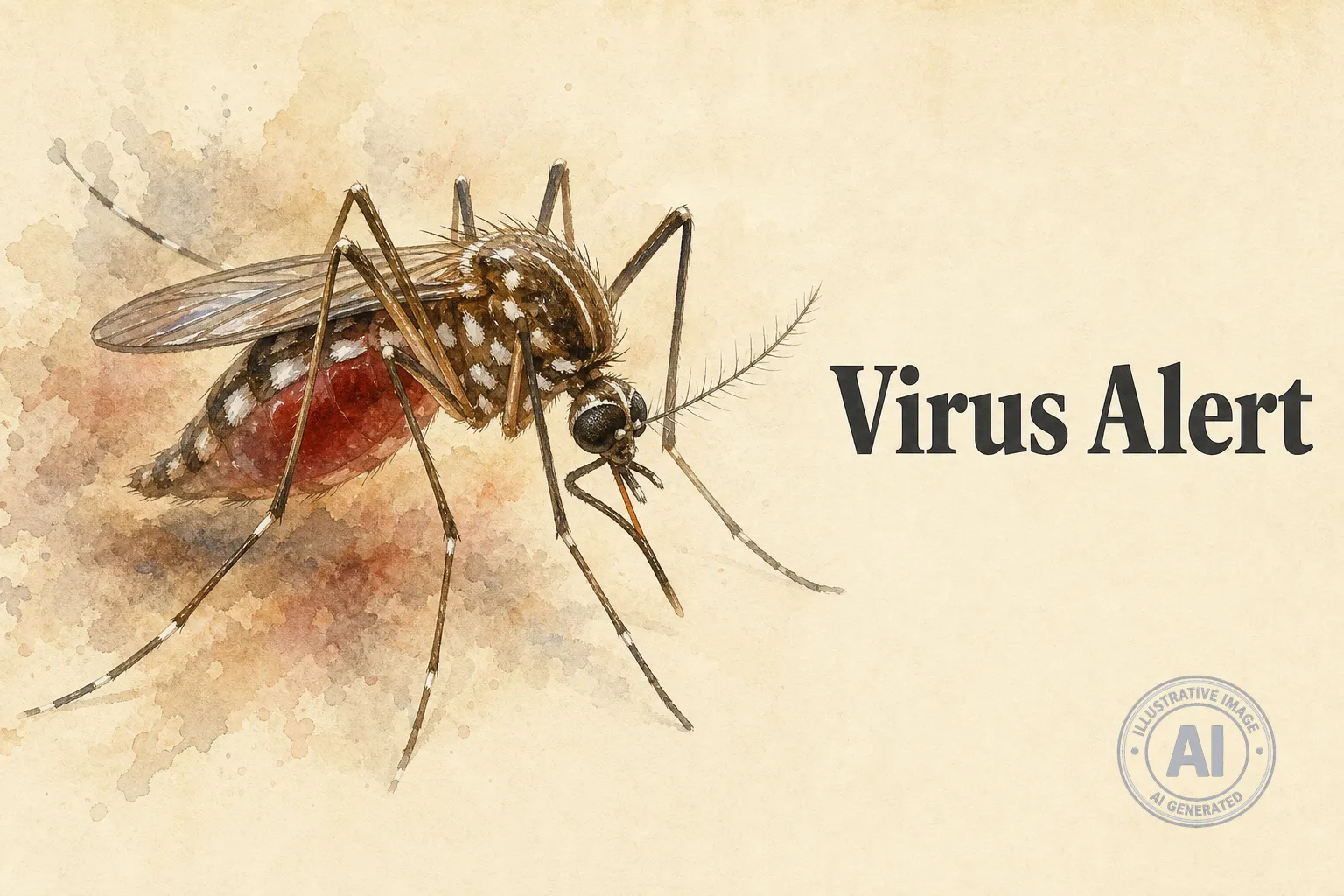
Mosquitoes infected with West Nile virus have been found in Pickering and Whitby, the Durham Region Health Department announced on August 14, 2026. The positive test results bring this season’s total to 21 infected mosquito batches across Durham Region, signaling a sharp rise in virus activity as summer peaks.
Prior detections in 2026 occurred in Ajax, Clarington, and Oshawa, with the first positive batch of the year found in Ajax earlier in the summer. The Durham Region Health Department traps mosquitoes weekly from June through September and sends samples for laboratory testing. No human cases have been reported in Durham Region so far this year, but last year the region saw 21 human cases and 26 positive mosquito batches, a sharp increase over previous seasons.
West Nile virus spreads only through mosquito bites, not from person to person. Most people infected show no symptoms, and fewer than one per cent develop serious illness like meningitis or brain swelling. However, about 10 per cent of people with neurologic infection die. Health officials say the risk is highest at dusk and dawn, when mosquitoes are most active.
To reduce mosquito breeding, the Region of Durham and the Ontario Ministry of Transportation are treating catch basins and stagnant water sites with larvicides from May to October under the authority of the Medical Officer of Health. Residents are urged to remove standing water from their properties, such as in bird baths, flower pots, and gutters, and to wear insect repellent and long sleeves when outdoors at peak times.
Toronto reported its first human case of West Nile virus in 2026 on July 30. Across the province, 2025 was a record year, with 181 human cases reported to Public Health Ontario, surpassing the previous high of 159 in 2017. Durham Region’s health department posts updated surveillance information on its website and offers a public information line at 905-668-2020 or 1-800-841-2729 for residents with questions.