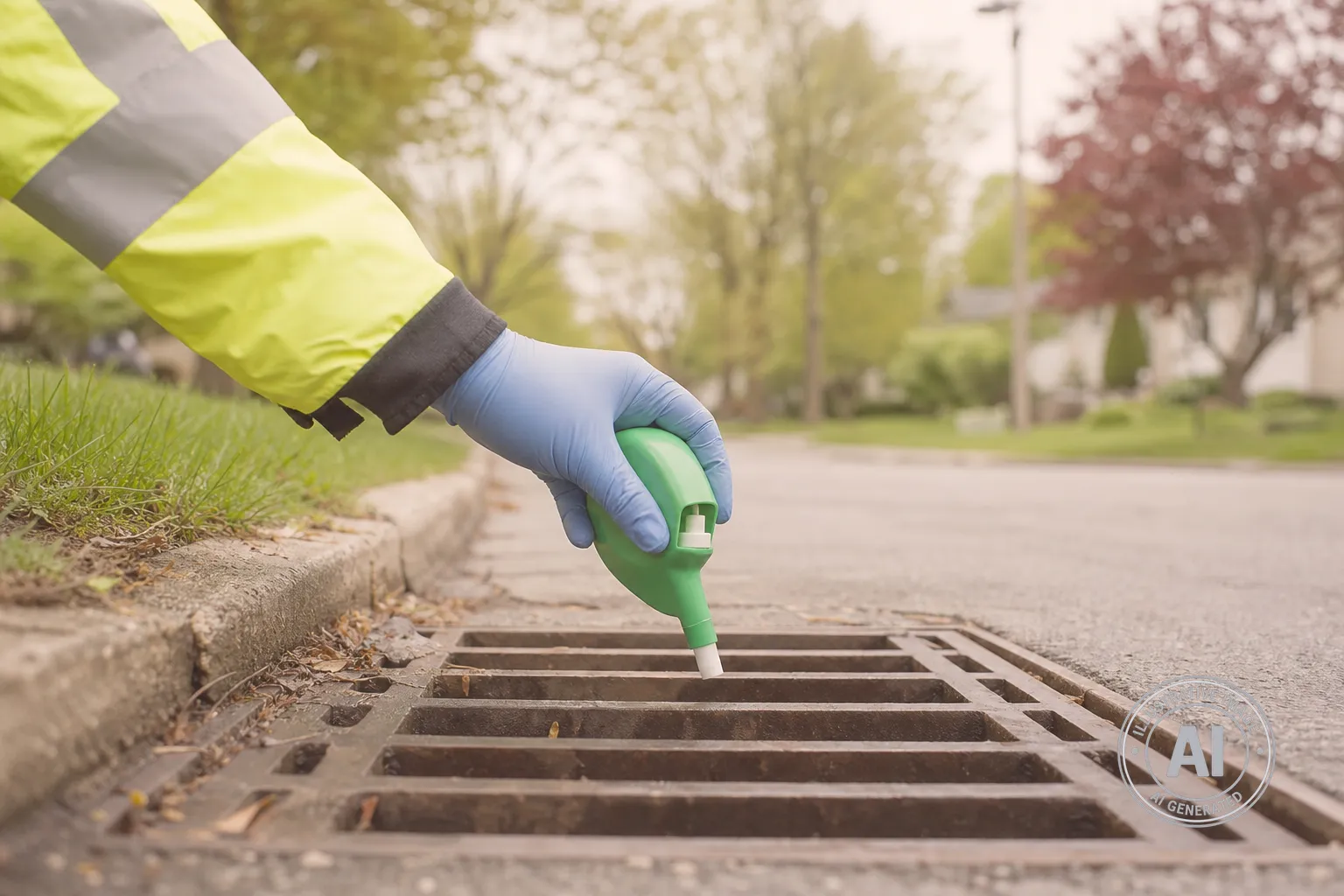
Halton Region Public Health has launched its annual mosquito larviciding program, which will run from May 11 to October 31, 2026, across Burlington, Halton Hills, Milton, and Oakville to help prevent the spread of West Nile virus.
Under the direction of Medical Officer of Health Dr. Deepika Lobo, the program targets standing water on public lands. Licensed technicians from the Ministry of Environment, Conservation and Parks will apply products such as VectoBac and Altosid to catch basins and other areas where mosquito larvae develop. Last year, technicians conducted 909 applications across the region to manage larvae populations.
The proactive effort comes as health officials note a rise in West Nile virus activity. In 2025, Ontario reported 169 non-travel related cases of the virus, up from 81 cases in 2024. During that same period, Halton Region recorded eight confirmed human cases, including one death, along with 28 mosquito pools that tested positive for the virus.
While a cool spring has delayed the start of the current mosquito season, experts anticipate significant activity between mid-July and August as temperatures climb. Officials remind residents that while 80 per cent of people infected with the virus show no symptoms, it can lead to severe illness, especially in seniors and those with weakened immune systems.
To reduce the risk of mosquito bites, residents are encouraged to eliminate sources of standing water on their own property, such as bird baths or clogged gutters, and to use insect repellent during peak activity times.