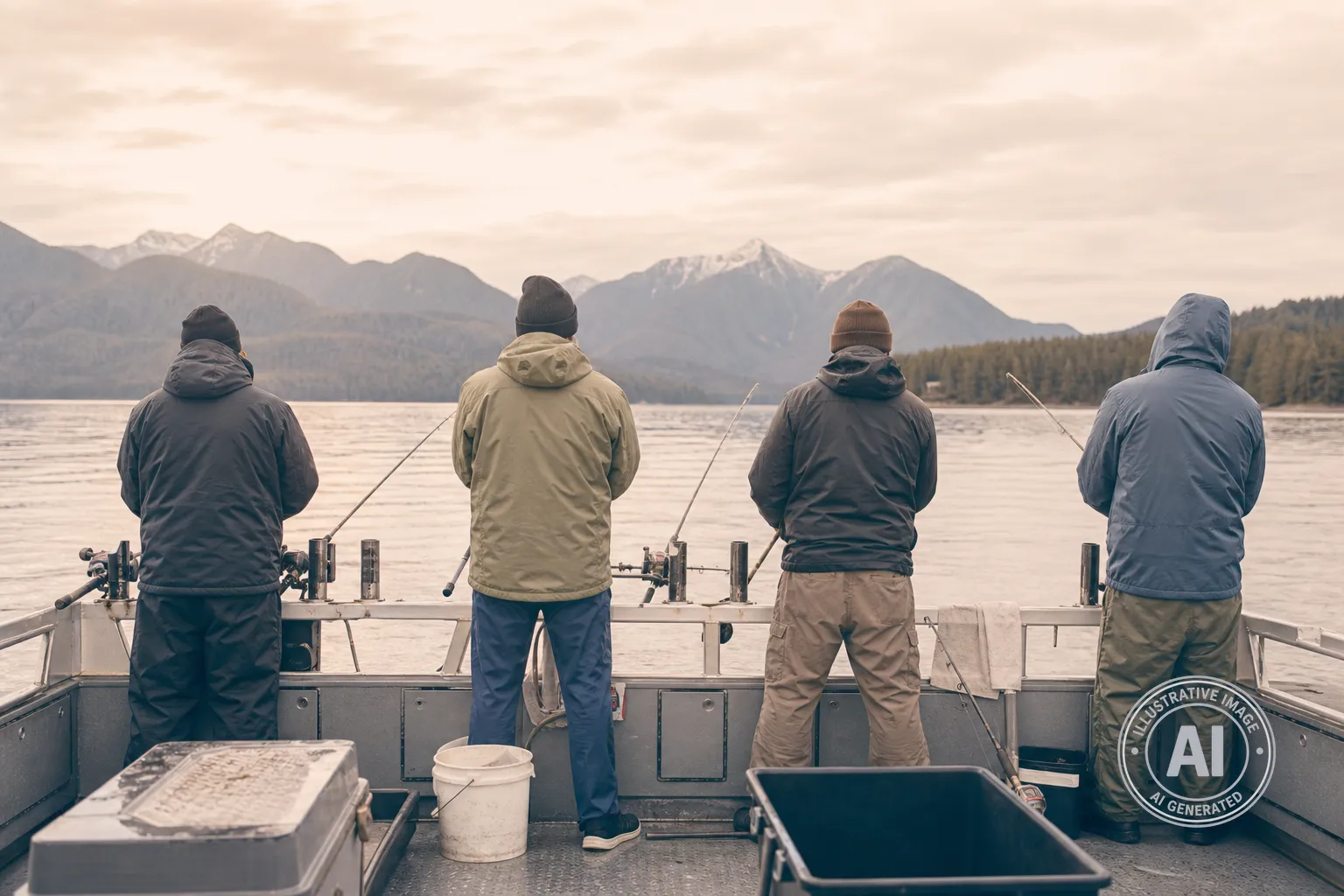
Anglers in Port Alberni can look forward to a busy summer on the water, with the Area 23 Harvest Round Table forecasting a return of 750,000 Sockeye salmon to the Somass River system for 2026. This prediction places the expected return at the start of a high abundance range, offering the potential for another strong year following the successful 2025 season where over 750,000 fish returned.
Environmental conditions may influence the timing of the upcoming season. According to regional data, snowpack is at approximately 44% of average, marking one of the lowest levels on record. This, combined with low water levels in Sproat Lake and Great Central Lake, has led to record-low stream flows. Additionally, warm weather throughout April has caused early snowmelt, warming the water in the Alberni Inlet and Somass River to just over 18 degrees Celsius. This temperature is the threshold that typically triggers Sockeye to school in large numbers, which may result in the fishing season beginning earlier than the usual mid-June timeframe.
Beyond Sockeye, the region expects strong fishing for Chinook salmon through August and September. These fish are anticipated to range from the high teens to mid-twenty-pound categories. Popular spots for feeder Chinook include the Bamfield Wall, Austin-Cree, Swale Rock, Meares, Whittlestone, Fleming Island, and areas outside the Ucluelet Harbour.
While the outlook for the main Sockeye stock is positive, conservation efforts remain focused on the Hucukltius (Henderson) sockeye. This specific stock is expected to see a low return of 15,000 to 20,000 fish, continuing a downward trend that has persisted for more than a decade.
The health of these salmon runs remains vital to the local economy. Elliot Drew, director of operations for the Alberni Valley Chamber of Commerce, noted that these annual returns have a significant impact on the community, providing benefits for commercial fishing, First Nation fisheries, local tourism, and sport fishing operations.