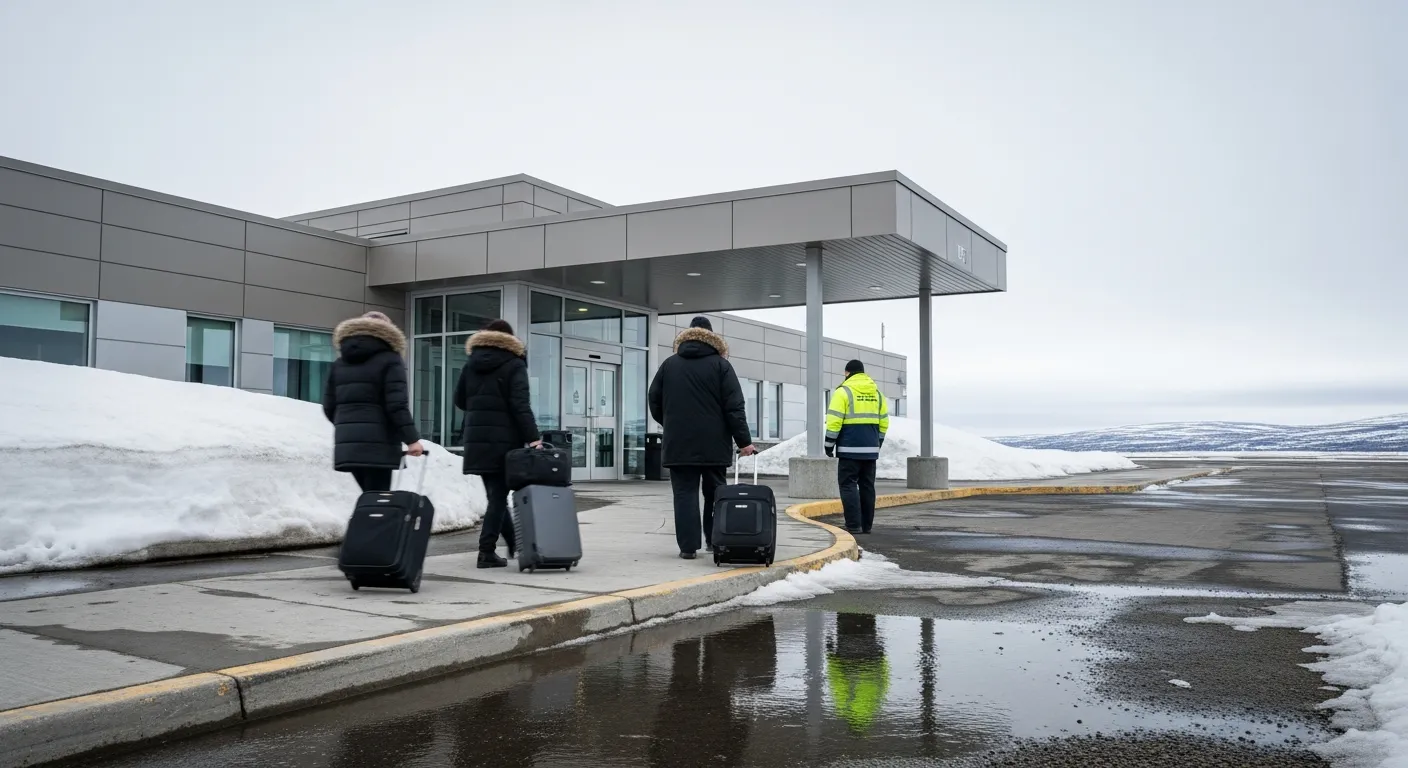
Residents in Rankin Inlet, Nunavut, will soon have a much larger space to wait for their flights as the first phase of the new airport terminal begins interim operations this month, with a final opening scheduled for the end of April 2026. This new building is a major upgrade for the community, providing more room and better services for travelers across the region.
The new 2,650-square-metre terminal can hold up to 508 passengers at one time, which is three times the capacity of the current building. This expansion is part of a larger $85 million project funded by the federal government and the Government of Nunavut to improve travel in the North.
The airport is a vital hub for seven communities in the Kivalliq region and is used daily for medical travel and business at the Meliadine Gold Mine. Local MLA Alexander Sammurtok says the bigger terminal will make travel easier for residents who often spend long hours waiting for connecting flights because there are few other places to stay in town.
According to Prairie Architects Inc., the project was designed to keep the airport running while construction happens in stages. Once the ground thaws this summer, the old terminal built in 1995 will be torn down to make room for more work, with the entire project expected to be finished by April 2028.
Minister of Transportation and Infrastructure George Hickes told the legislative assembly that people can expect to start using the new space by the end of this month. This new terminal is one of six being updated across the territory to make air travel more modern and comfortable for residents.