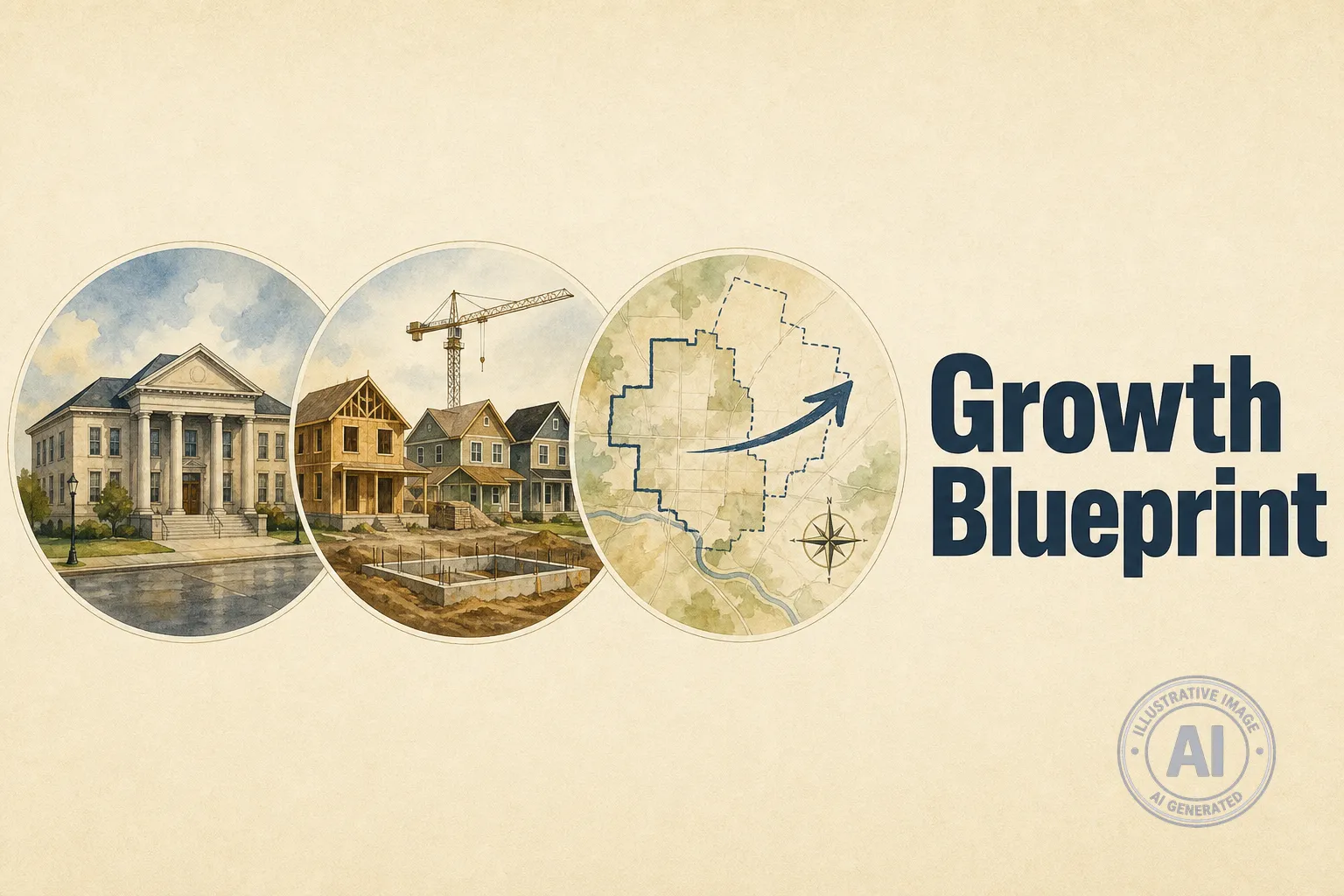
Leduc, Alberta, has a new roadmap for handling the city’s explosive growth after council approved the 2027-2030 Strategic Plan on June 1, 2026. The plan will shape budgets and city projects starting in 2027, but the work begins right away.
In 2025, Leduc grew three times faster than expected, adding 836 new residences and 181 suites. Construction value jumped 45 percent to $331.3 million, and the city issued 1,390 building permits. The city saw the creation of 1,375 new lots on more than 100 hectares of land, far above the average of 29 hectares a year between 2022 and 2024.
Mayor Lars Hansen said the plan is designed to handle the pressure that comes with so many new residents. “Building a connected community for all people” is the mission statement behind the plan’s four priorities: keeping the community safe and supportive, guiding growth responsibly, strengthening city foundations, and building regional partnerships.
A Growth Management Study completed in June 2026 found the city needs 3,584 hectares of land to support the next 50 years of growth, but only 1,375 hectares are available within current boundaries. That means Leduc will need to annex about 2,209 hectares from Leduc County. The city filed its intent to annex in February 2025 and negotiations continue.
Hansen, who was elected mayor in October 2025 with 60 percent of the vote after serving eight years as a city councillor, said residents will see the strategic plan reflected in concrete ways when the next budget is set. The full council includes two returning members and four new councillors.