Leeds and Grenville Council met this March to address several key issues, including concerns over a major rail project, a legal dispute regarding local farmland, and the approval of recent drinking water quality reports.
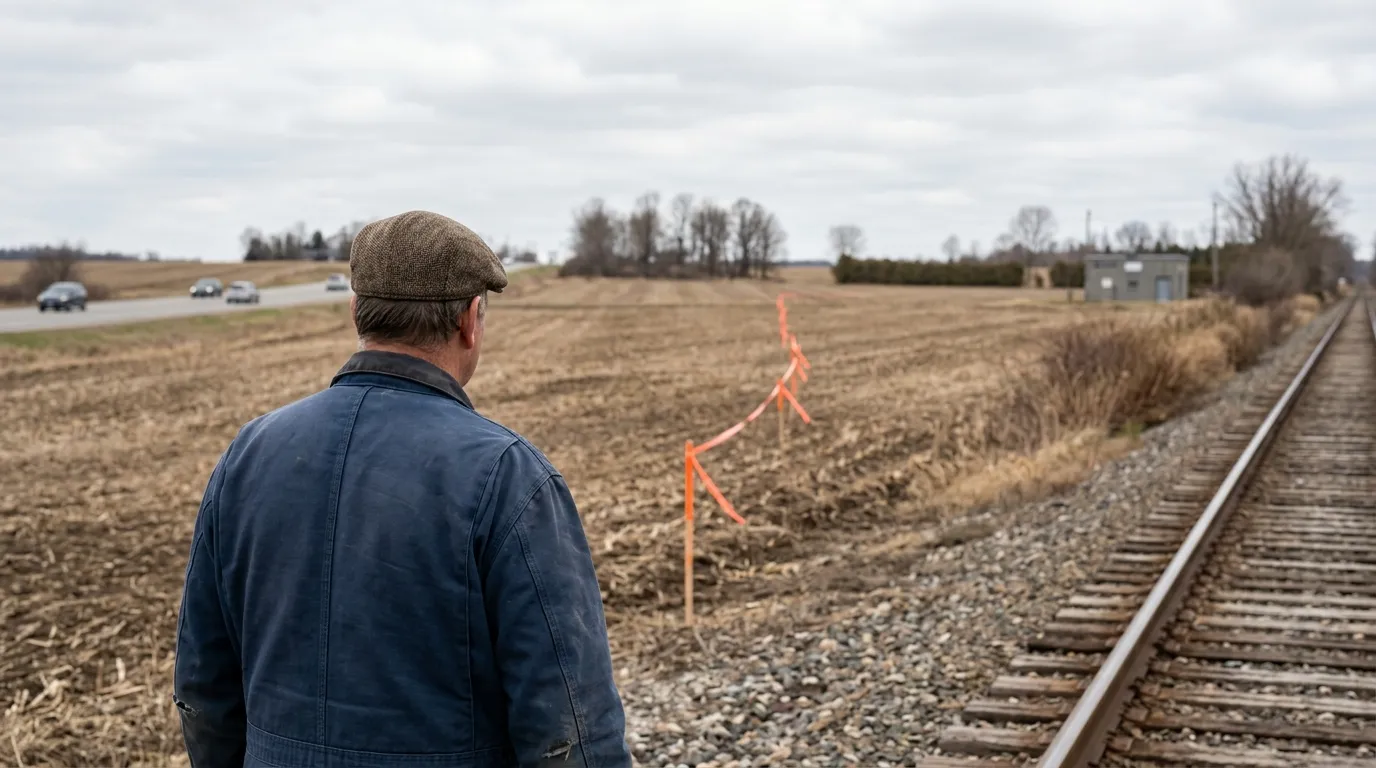
During the meeting, council members passed a resolution expressing strong opposition to the proposed ALTO high-speed rail project. The resolution specifically targets the planned southern corridor through the region, which has faced significant local pushback. Rideau Lakes Mayor Arie Hoogenboom led the motion, encouraging the project developers to abandon this specific route and instead consider existing infrastructure, such as the Highway 401 corridor or current rail lines. While council members expressed support for the concept of high-speed rail, noting that Canada is behind other nations in this area, they are calling for more consultation and better mitigation measures.
In a separate matter, the United Counties of Leeds and Grenville is preparing for a legal challenge regarding its land-use planning. The Ministry of Municipal Affairs and Housing has submitted an appeal to the Ontario Land Tribunal, challenging an amendment to the official county plan. The province claims that the plan, which was designed to guide local development, removes about 3,000 hectares of land that should be designated for farming. The council has retained legal counsel and intends to defend its position at the tribunal.
On a more routine note, council members accepted the 2025 drinking water system annual reports for three local facilities: Maple View Lodge, Miller Manor in Mallorytown, and The Maples in Spencerville. These reports confirm that the water systems at these locations continue to meet provincial safety standards.
Warden Corinna Smith-Gatcke, who serves as head of the council for the 2025-2026 term, continues to lead these ongoing discussions as the municipality navigates both the regional rail project and provincial land-use requirements.